
Must-Try Japanese Food: 10 Dishes Beyond Ramen and Sushi


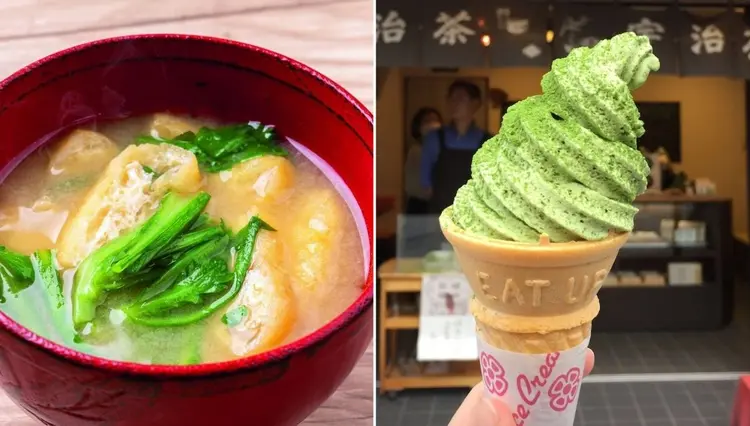
Temples, neon, bullet trains: Japan has plenty to look at, yet many travelers come home talking mostly about what they ate. If your mental menu stops at ramen and sushi, the first few meals tend to fix that. Here is the must-try Japanese food worth hunting down on a trip, from griddle-side street snacks to a Buddhist lunch in a box.
1. Okonomiyaki: Osaka’s savory pancake
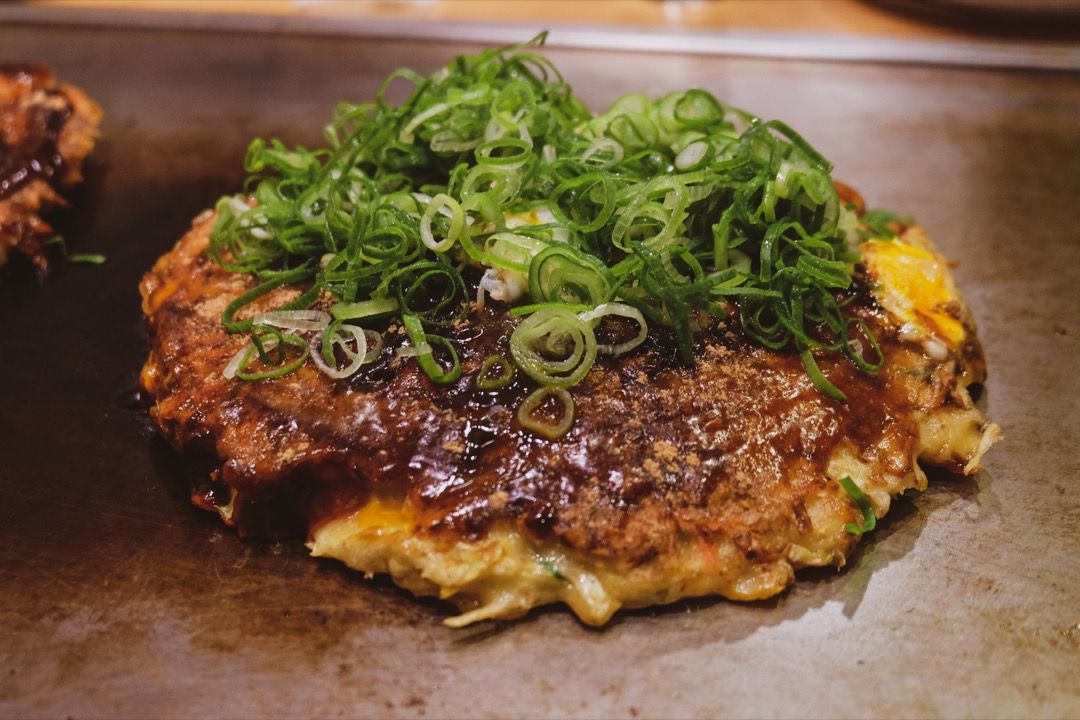
Okonomiyaki looks like a pancake, but one bite settles the question.
It’s a savory batter of flour, grated yam, egg and a mountain of shredded cabbage, with add-ins such as pork belly, squid, octopus or shrimp. The dish is most closely tied to the Kansai region and above all to Osaka, where the ingredients are mixed into the batter before cooking. Hiroshima stacks them in layers instead. It’s cooked on a teppan, a flat iron griddle, which gives the edges a light crust. Then the toppings arrive. Japanese mayonnaise, a sweet and tangy okonomiyaki sauce (Otafuku is the best-known brand), seaweed flakes and bonito flakes that curl and sway in the heat as if they were alive.
2. Takoyaki: octopus balls off the griddle
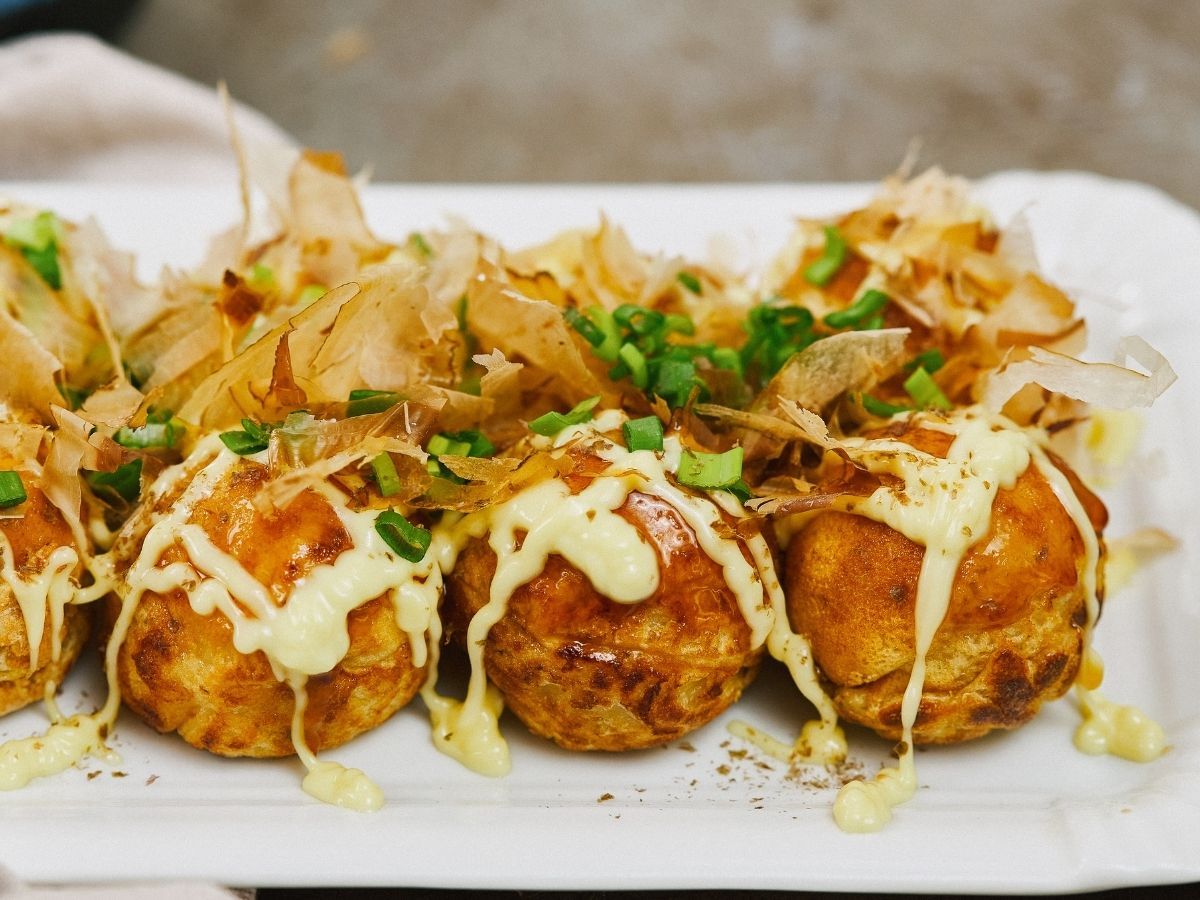
Takoyaki is street food at its most theatrical. Credited to an Osaka vendor in the 1930s, these small balls of wheat batter hold chunks of octopus, along with bits of green onion, pickled ginger and crunchy tempura scraps. They cook in a cast-iron pan full of half-sphere molds.
Watch a vendor at work: a single pick flips each ball in a second or two until it’s crisp outside and almost molten inside. Sauce, mayonnaise, seaweed and bonito go on last. The first bite is gooey. That’s the point. Let it cool for a moment, though. Rushing that first bite is a classic newcomer mistake, because the center stays very hot.
3. Miso soup: the must-try Japanese food you’ll meet daily
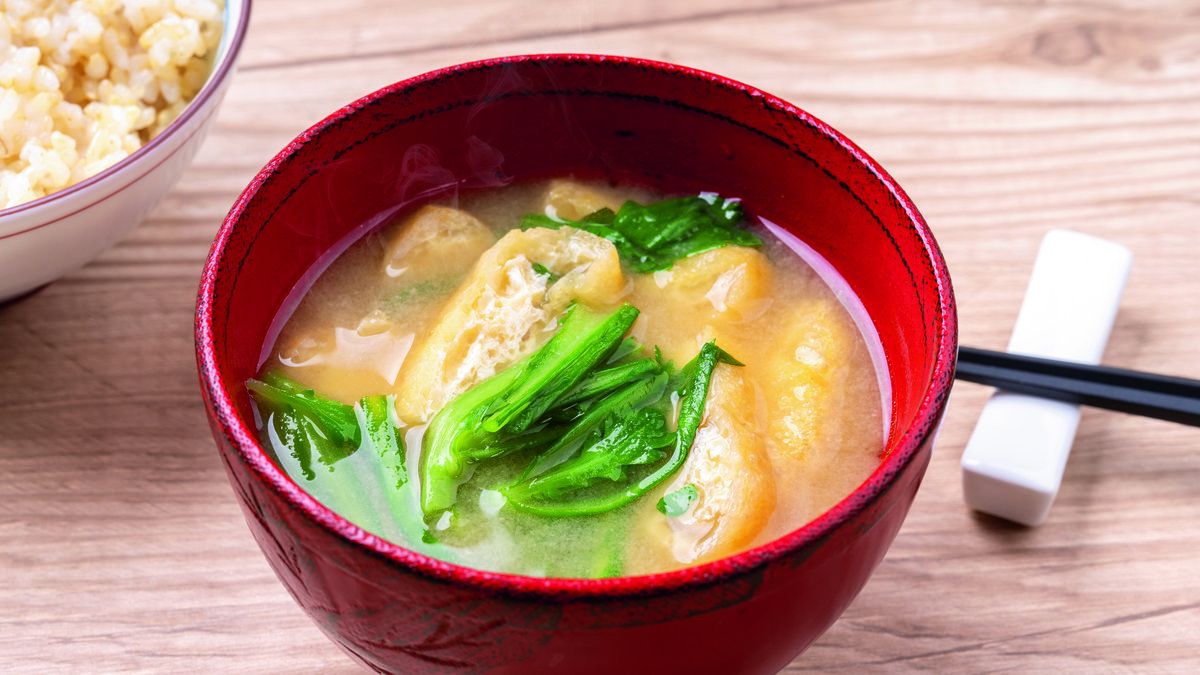
No list of Japanese food is complete without miso soup, which turns up at breakfast, lunch and dinner alike. Its base is dashi, a light stock usually made from kombu (kelp) and bonito flakes, sometimes from dried sardines or shiitake; stir in miso, a fermented soybean paste, and you get that familiar savory depth and gentle saltiness. What floats in the bowl? That depends on the cook. Tofu cubes, seaweed and sliced green onion are the classic trio.
4. Nigiri, sashimi and sushi: raw fish three ways
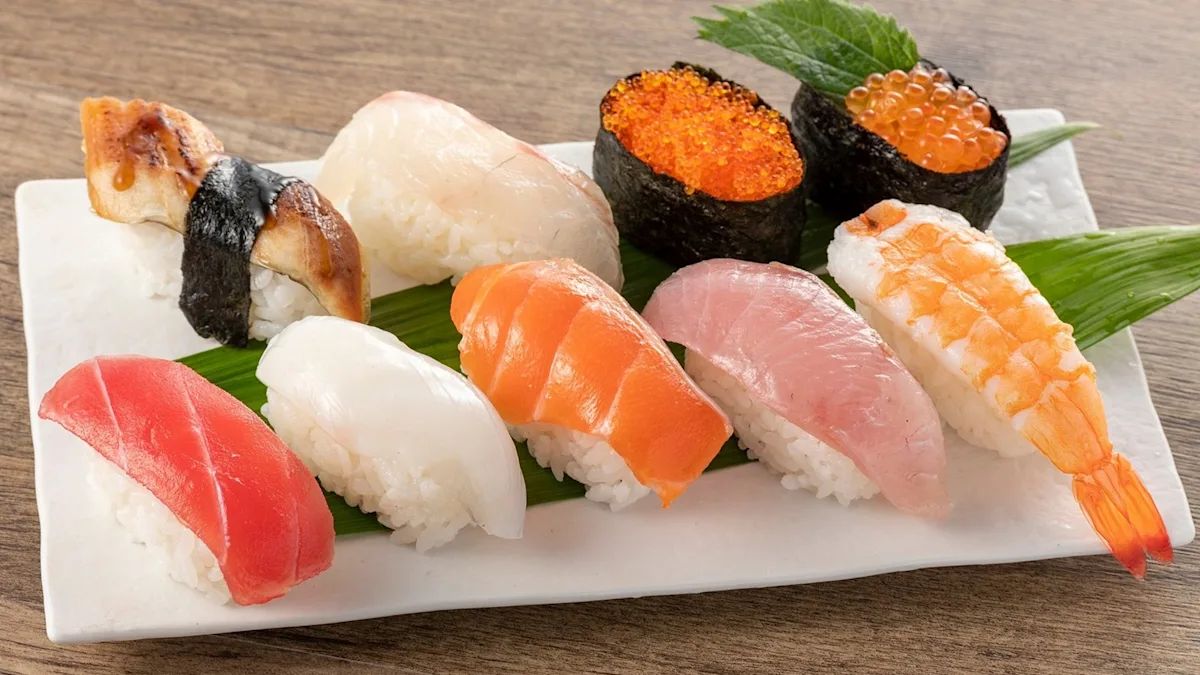
Leaving Japan without eating raw fish would take real effort.
Calling all of it sushi is a common mix-up. The difference comes down to rice. Sashimi is thinly sliced raw fish on its own; nigiri sets a slice on a small mound of vinegared rice; sushi rolls wrap fish, rice and often vegetables together in seaweed.
In Japan, the freshness of the seafood, the precision of the knife work and the plain, almost bare presentation add up to a very refined meal. Many visitors find it hard to go back to supermarket sushi afterward.
5. Kobe beef: Hyōgo’s famous wagyu

Kobe beef may be the most talked-about meat in the world. The name is tightly protected. To carry it, the beef must come from the Tajima strain of Japanese Black cattle, born and raised in Hyōgo Prefecture and processed at approved slaughterhouses there, and it has to pass strict marbling and quality grades. The result is heavily marbled beef that seems to melt on the tongue. At many restaurants in Kobe, you can pick the cut and grade. That keeps the bill manageable. It’s often cooked at the table on a griddle or grill, so you watch every slice go from raw to just right.
6. Ramen: noodles where the broth is the star
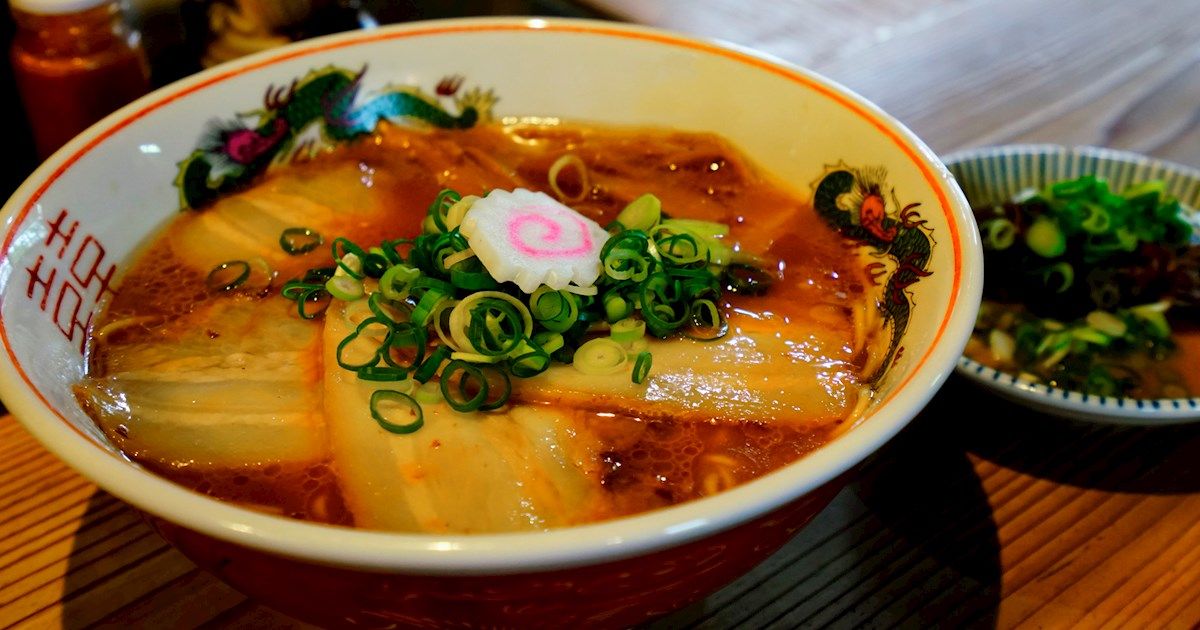
In Japan, ramen is less a dish than a way of life. Wheat noodles sit in a meat or fish broth, topped with egg, sliced pork, vegetables and seasonings, and the bowl is filling enough to count as a full meal.
Broth does most of the work.
Some locals suggest tasting a few spoonfuls on their own before touching the noodles. Then there are the styles, and picking a favorite is a matter of taste. Creamy chicken broths, miso-based bowls and rich pork-bone tonkotsu each have loyal fans. On a cold winter day, a steaming bowl at a small counter shop is one of the simple highlights of a trip.
7. Buddhist bento: a vegetarian temple meal
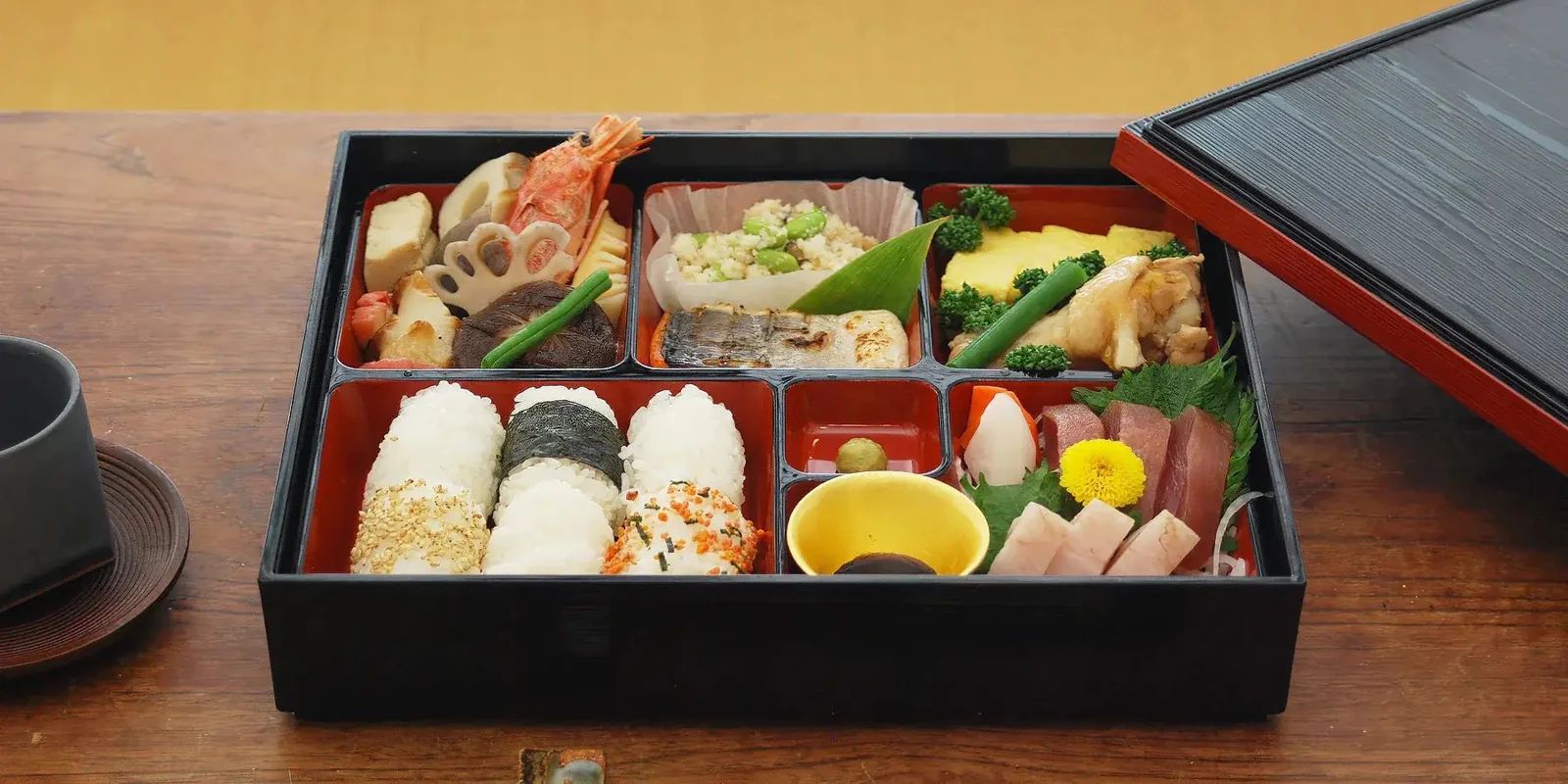
Buddhist cuisine, known in Japan as shōjin ryōri, shows the quietest side of Japanese cooking. Born in monasteries, it is almost entirely vegetarian, rooted in the Buddhist principle of not harming living beings, and its whole focus falls on the natural flavor of each individual ingredient.
Served in a bento box, the meal is as tidy to look at as it is to eat. Expect tempura vegetables, miso-glazed eggplant, tofu soup and pickles. Flavors stay light. The balance is careful. Temples in Kyoto and on Mount Kōya are among the places where visitors can try it.
8. Udon: thick noodles in a gentle broth
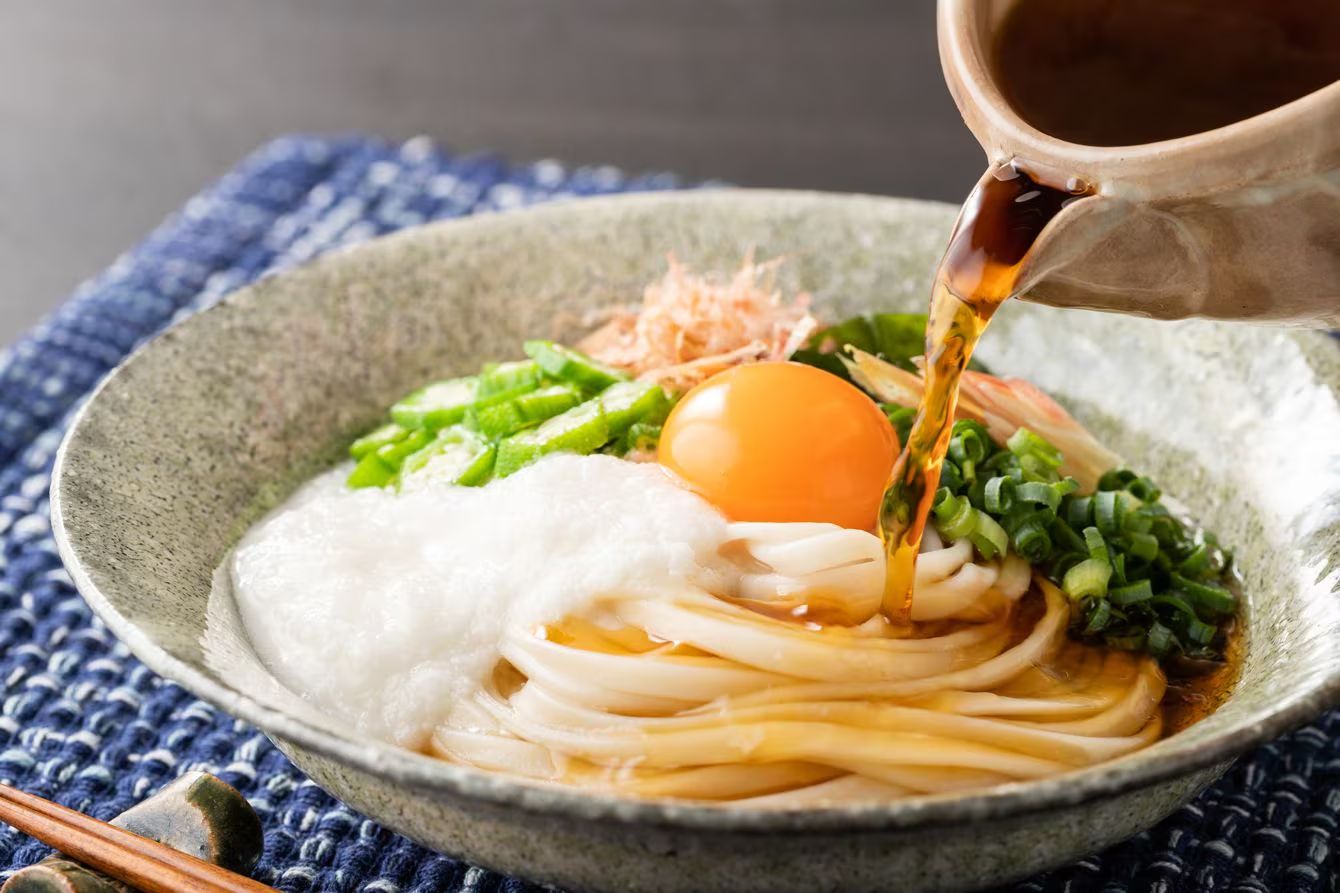
Udon and ramen are both wheat noodles. Their personalities are another matter. Udon is thick and soft, and it usually comes in a milder broth called kakejiru, made from dashi (the same stock behind miso soup), soy sauce and mirin, a lighter base that lets the noodle itself take center stage. It’s less intense than ramen. Yet its warmth and simplicity have a way of wrapping around you. In the most basic version, kake udon, the only topping is a scatter of sliced green onion.
9. Anko: sweet red bean paste
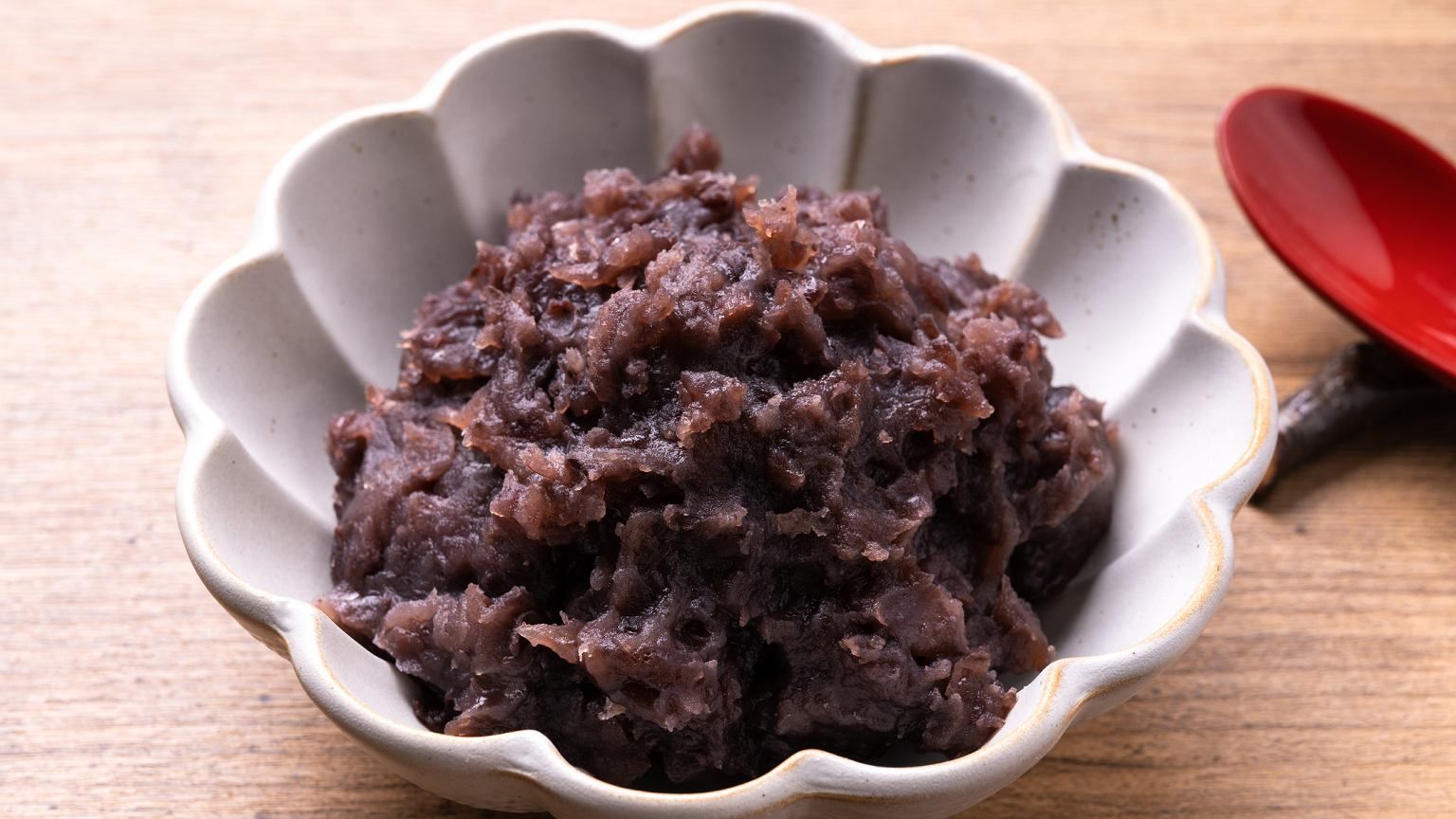
Anko, a sweet paste of mashed azuki beans, is a cornerstone of Japanese desserts, and it also comes in a white version, shiroan, made from white beans. It turns up everywhere. Ice cream, pancakes, buns.
Beans in dessert? It can sound odd at first, but truth be told, the taste is milder and more pleasant than most people expect, with a soft, natural sweetness, and one of the most popular ways to eat it is inside taiyaki, a fish-shaped cake.
A warm taiyaki eaten while walking down the street is a small but memorable Japan moment.
10. Matcha ice cream: bittersweet green tea
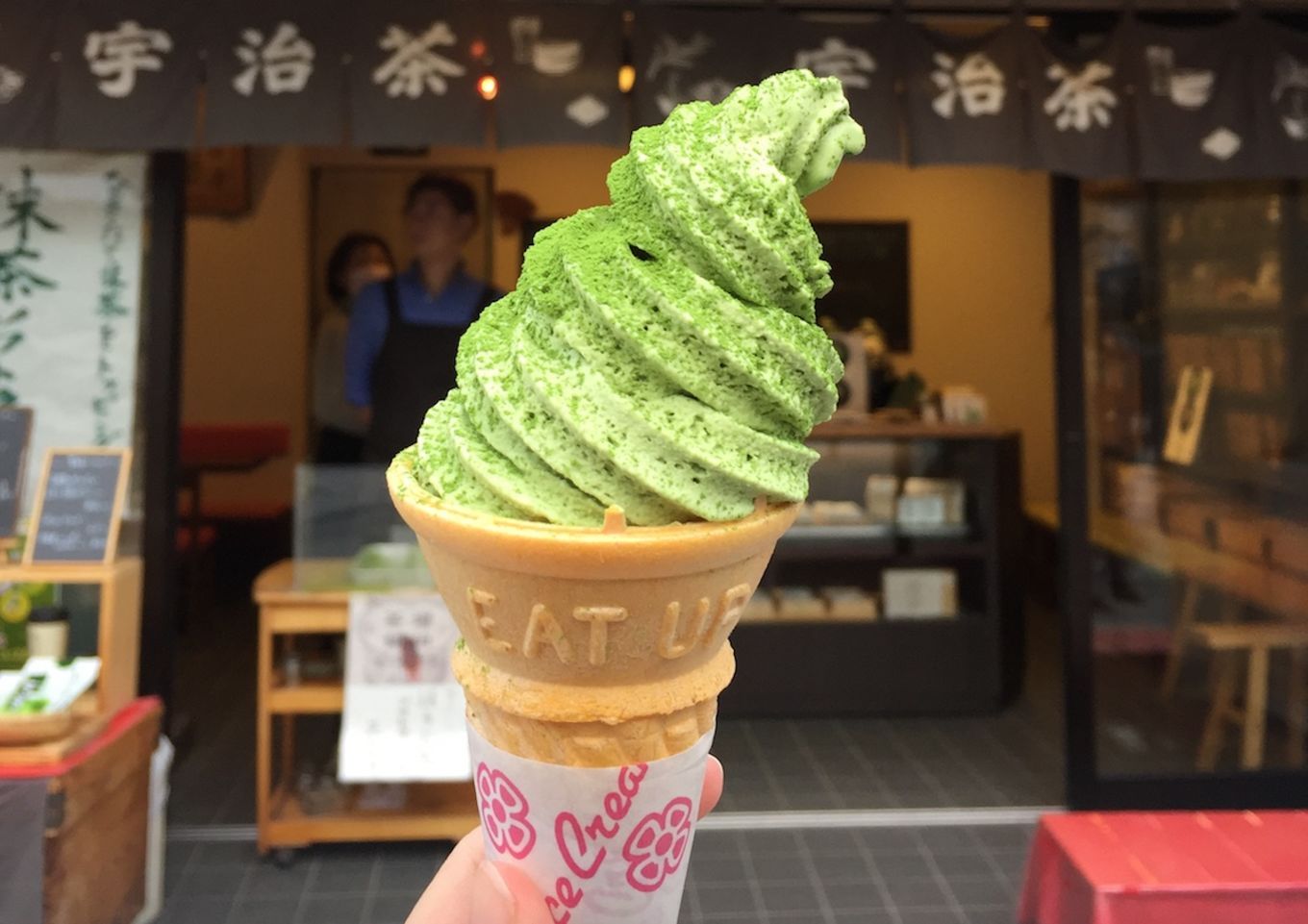
Matcha ice cream is a refreshing way to close a meal in Japan. Its bright green color catches the eye, while the flavor balances sweetness against a gentle bitterness in a way that even people who don’t like very sugary desserts tend to enjoy.
It often comes as soft-serve. Easy to eat on the go. The distinct grassy aroma of matcha leaves a light finish at the end of a long day of exploring.
Matcha lattes and other green tea sweets are worth a try too.
Sources: Traverse Blog: Must-try Japanese food list, Wikipedia: Kobe beef, Wikipedia: Shōjin-ryōri















Bir yanıt yazın